
© All rights reserved
© All rights reserved


WELLNESS DAY FOR YOU
CHELSEA & CO LTD
România
Bucurați-vă de prețuri mici și calitate de top
Profitați de ofertele noastre
Testare și consiliere gratuite înainte de cumpărare.
Serviciu de consultanță disponibil în clinică sau chiar în confortul casei dumneavoastră.
La comenzi de peste 200 lei
FREE DELIVERY
în toată România.
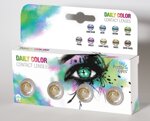
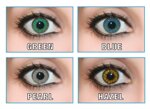
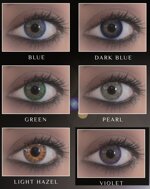
Economisiți la gama noastră variată de produse cu discount: îngrijire a pielii, îngrijire corporală, lentile colorate și dispozitive medicale. Cumpărați la cele mai mici prețuri.
PRODUCTS



































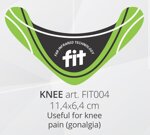


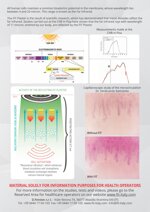

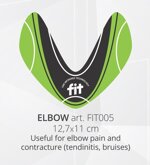


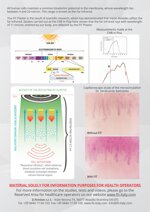
















1 2 › 2
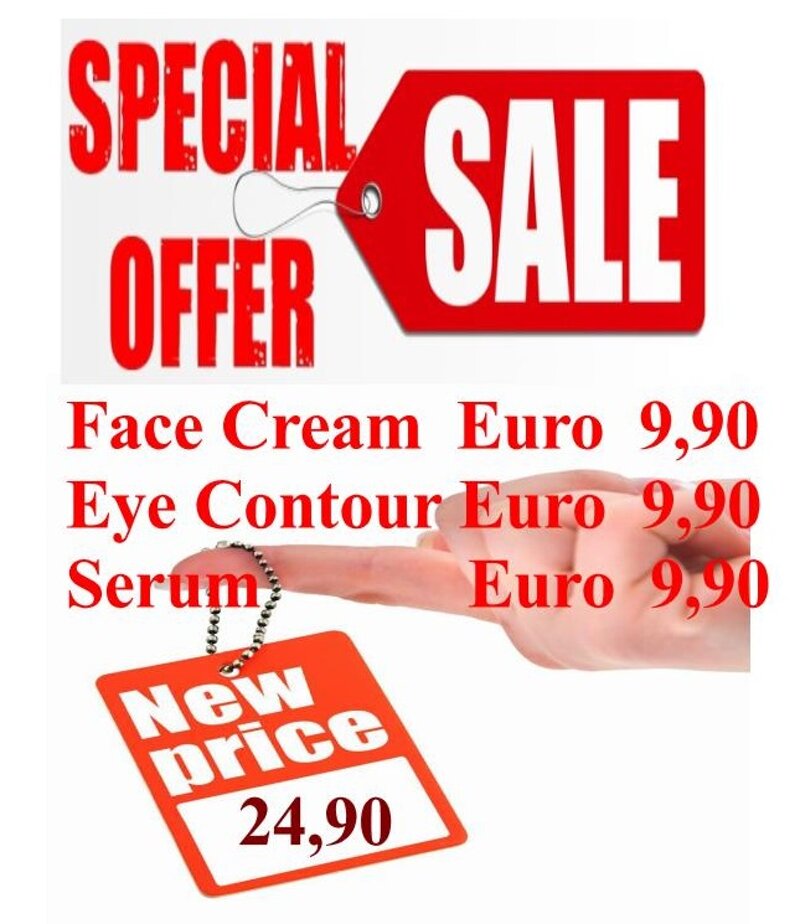
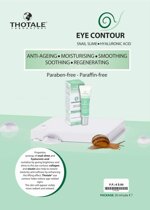
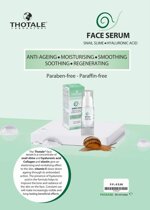
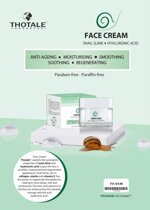
Set of 3: Face Cream and Serum, Eye Contour snail slime 497904
cosmetics
NewCondition € 24.90
In Stock
In Stock
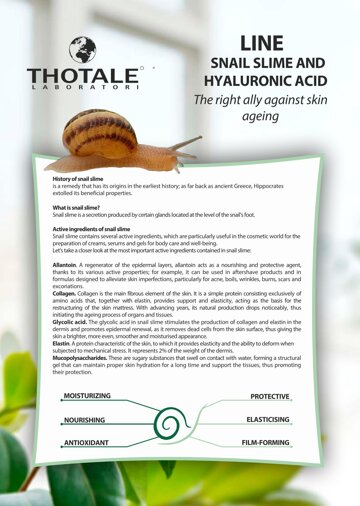
History of snail slime
is a remedy that has its origins in the earliest history; as far back as ancient Greece, Hippocrates
extolled its beneficial properties.
What is snail slime?
Snail slime is a secretion produced by certain glands located at the level of the snail's foot.
Active ingredients of snail slime
Snail slime contains several active ingredients, which are particularly useful in the cosmetic world for the
preparation of creams, serums and gels for body care and well-being.
Let's take a closer look at themost important active ingredients contained in snail slime:
Allantoin. A regenerator of the epidermal layers, allantoin acts as a nourishing and protective agent,
thanks to its various active properties; for example, it can be used in aftershave products and in
formulas designed to alleviate skin imperfections, particularly for acne, boils, wrinkles, burns, scars and
excoriations.
Collagen. Collagen is the main fibrous element of the skin. It is a simple protein consisting exclusively of
amino acids that, together with elastin, provides support and elasticity, acting as the basis for the
restructuring of the skin mattress. With advancing years, its natural production drops noticeably, thus
initiating the ageing process of organs and tissues.
Glycolic acid. The glycolic acid in snail slime stimulates the production of collagen and elastin in the
dermis and promotes epidermal renewal, as it removes dead cells from the skin surface, thus giving the
skin a brighter, more even, smoother andmoisturised appearance.
Elastin. A protein characteristic of the skin, to which it provides elasticity and the ability to deformwhen
subjected to mechanical stress. It represents 2% of the weight of the dermis.
Mucopolysaccharides. These are sugary substances that swell on contact with water, forming a structural
gel that can maintain proper skin hydration for a long time and support the tissues, thus promoting
their protection.
is a remedy that has its origins in the earliest history; as far back as ancient Greece, Hippocrates
extolled its beneficial properties.
What is snail slime?
Snail slime is a secretion produced by certain glands located at the level of the snail's foot.
Active ingredients of snail slime
Snail slime contains several active ingredients, which are particularly useful in the cosmetic world for the
preparation of creams, serums and gels for body care and well-being.
Let's take a closer look at themost important active ingredients contained in snail slime:
Allantoin. A regenerator of the epidermal layers, allantoin acts as a nourishing and protective agent,
thanks to its various active properties; for example, it can be used in aftershave products and in
formulas designed to alleviate skin imperfections, particularly for acne, boils, wrinkles, burns, scars and
excoriations.
Collagen. Collagen is the main fibrous element of the skin. It is a simple protein consisting exclusively of
amino acids that, together with elastin, provides support and elasticity, acting as the basis for the
restructuring of the skin mattress. With advancing years, its natural production drops noticeably, thus
initiating the ageing process of organs and tissues.
Glycolic acid. The glycolic acid in snail slime stimulates the production of collagen and elastin in the
dermis and promotes epidermal renewal, as it removes dead cells from the skin surface, thus giving the
skin a brighter, more even, smoother andmoisturised appearance.
Elastin. A protein characteristic of the skin, to which it provides elasticity and the ability to deformwhen
subjected to mechanical stress. It represents 2% of the weight of the dermis.
Mucopolysaccharides. These are sugary substances that swell on contact with water, forming a structural
gel that can maintain proper skin hydration for a long time and support the tissues, thus promoting
their protection.

Contactați-ne
WhatsApp: +356 77023017 email: romania@wdforyou.com